Find technical documentation more easily in RKD Research
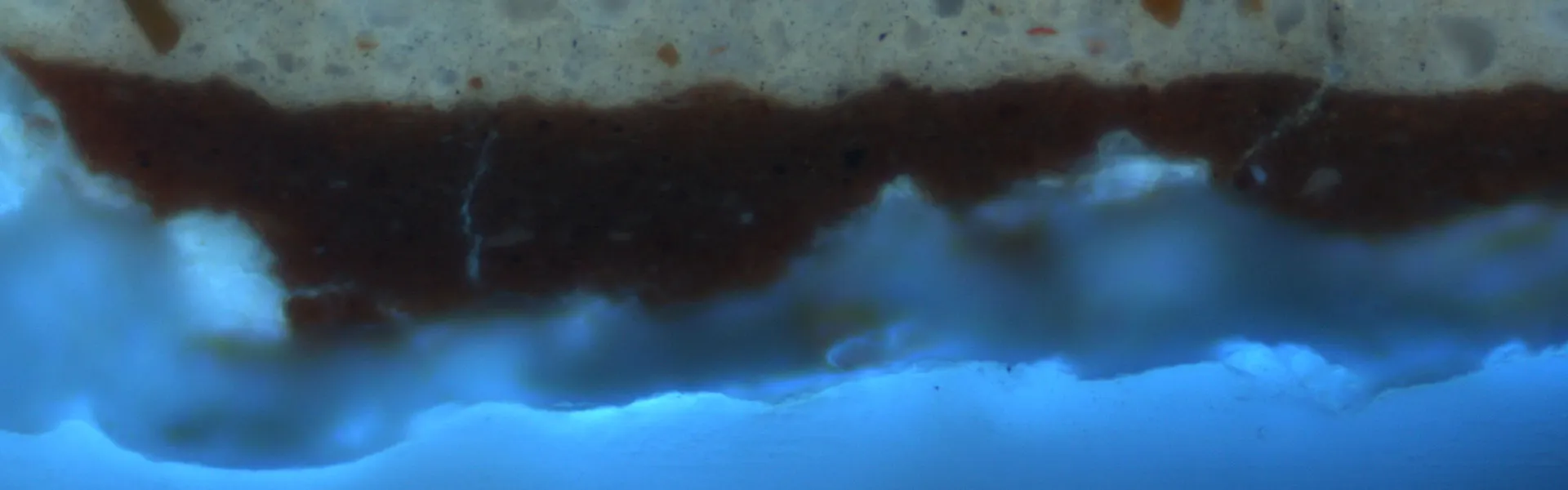
With the launch of the renewed RKDtechnical database, finding and consulting technical research data has been made considerably easier. The improved database marks the first step in our ambition to give technical research a more prominent place within the collection.
Collection of technical documentation
We manage some of the most important collections of technical documentation relating to the paintings of the Netherlands, including the archives of Prof. Dr J.R.J. van Asperen de Boer, the Rembrandt Research Project and Prof. Dr Molly Faries. RKDtechnical brings together various forms of technical research, including paint sample analyses, dendrochronological reports, infrared reflectograms (IRR) and the results of other forms of analysis. This technical documentation is of great importance to art-historical research, as it provides insight into the creative process, the choice of materials and the physical condition of artworks. Dr. Edwin Buijsen, Head of the National Heritage Laboratory at the Cultural Heritage Agency of the Netherlands (RCE), explains this as follows:
"In [replication] research, you want to find out how a particular conclusion was reached. I believe that RKDtechnical can be very important in this regard, not only because of the research findings themselves, but also because it provides insight into how those findings came about. Who was involved? What questions were asked at the time? How was the research carried out back then? And how do we obtain that information? RKDtechnical can be of enormous help to us in answering these questions."
Redevelopment of the database
With the redevelopment of the database, we go beyond simply making our own collections accessible. Our ambition is to become the central starting point for technical research of Netherlandish painting. In addition to technical documentation from our collection, we are therefore also bringing together research data from museums, conservators, universities and other heritage institutions. This will create the most comprehensive overview possible of existing technical research, regardless of where the documentation is held. Dr. Moorea Hall-Aquitania, Collection Specialist Technical Research at the RKD, emphasises:
"Good research builds on what has already been done. By making technical research data more accessible, we hope not only to preserve existing knowledge, but also to stimulate new questions and collaborations. With RKDtechnical as a starting point, researchers can build on previous work instead of reinventing the wheel."
By bringing together technical research data in one place, we are improving the discoverability and reusability of this often fragmented information. In doing so, we are laying the groundwork for new insights and research questions in the fields of art history and heritage science.
New features and improvements
The improvements to the RKD Research database are aimed both at making the existing content more user-friendly and at adding new functionalities.
- New search and filter options, making technical documentation easier to find and explore, for example by filtering by artist or research project;
- A completely revamped record page with a clearer structure and improved navigation;
- More information on the record pages, allowing research data to be viewed more effectively in context, for example through the inclusion of information about researchers, project members, and the creators of the documentation;
- More comprehensive metadata for images, such as information on magnification factors and exposure settings for microscope images;
- Support for high-resolution images via the viewer, allowing you to zoom in on technical images in detail. The number of available high-resolution images will continue to grow.
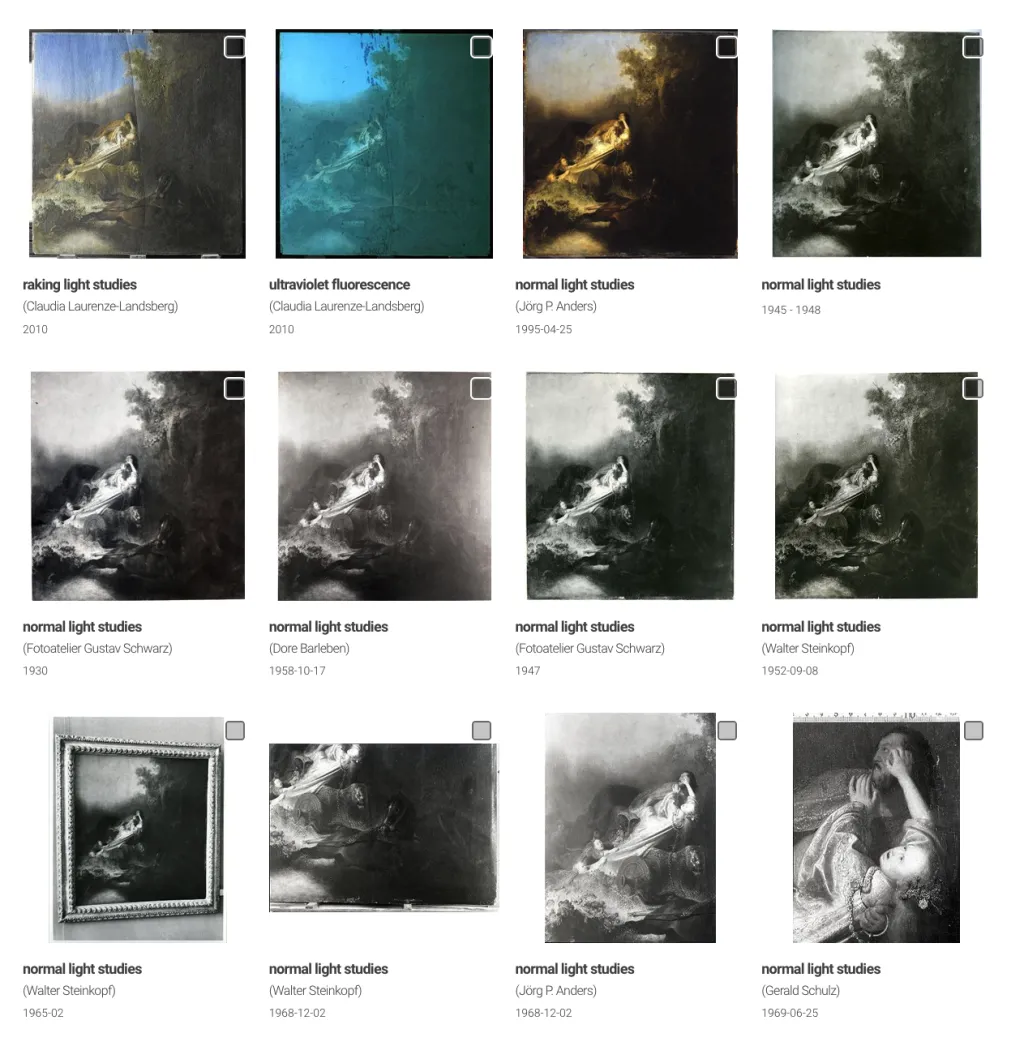
RKDtechnical (links to external website)
Explore the renewed RKDtechnical database